Moving to a new country is a big life decision. It involves practical planning, cultural awareness, and emotional preparation. This guide will help you get ready to relocate to Honduras, a Central American nation known for its rich culture, tropical landscapes, and warm climate. Whether you are moving for work, retirement, study, adventure, or lifestyle change, there are important details you should know before you arrive.
Understanding the Language Landscape
Official Language and Daily Use
The official and most widely spoken language in Honduras is Spanish. Spanish is used in government, schools, business, media, and daily communication across most of the country. An estimated about 90% of the population speaks Spanish, making it essential for everyday life and integration.
English in Honduras
While Spanish dominates, English does have a presence in certain regions:
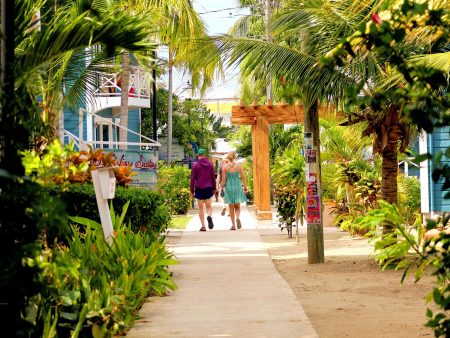
- There are small pockets of English speakers, especially in the Bay Islands (including Roatán and Útila) and along parts of the northern Caribbean coast. In these areas, Bay Island Creole English is spoken as a native or community language.
- Estimates suggest that English speakers constitute a small proportion of the total population, roughly around 0.2 to 1 percent as primary speakers, with variable proficiency levels among others.
- In major tourism zones, hotels, and businesses catering to international visitors, English is more common, although fluency levels can vary widely.
In practical terms, English alone is not sufficient for most aspects of life outside tourist bubbles. Spanish proficiency will vastly improve daily interactions, official dealings, employment opportunities, and overall quality of life.
Indigenous and Minority Languages
Honduras is also home to indigenous languages such as Garifuna and Mayan dialects. These add to the country’s cultural diversity but are not commonly used outside specific communities.
Visa and Residency Requirements
Short-Term Entry and Tourism
Many foreign nationals can enter Honduras without a visa for short stays (typically up to 90 days). This applies to passport holders from numerous countries and includes tourists and preliminary exploration of living options. South African passport holders, for example, can enter Honduras without a visa for limited stays.
Key entry requirements generally include a passport with sufficient validity (often six months beyond your stay) and proof of onward travel.
Long-Term Residency Options
If you plan to live in Honduras long-term, you will need to explore residency permits. Some pathways include:
1. Rentista Visa
Designed for individuals who can demonstrate a stable source of passive income (such as investments or rent). Applicants generally must show proof of a sufficient monthly income from outside Honduras.
2. Retiree (Pensionado) Visa
Available to retirees who receive a monthly pension of at least around US$1,500 from a verified source. These visas typically start with one-year permissions and can be renewed.
3. Investor Visa
Applicants planning to invest in business or property in Honduras may qualify if they meet minimum investment thresholds.
Once granted, long-term visas can lead to permanent residency and, after several years of continuous legal residence, eligibility for citizenship (with added requirements such as Spanish proficiency and civic knowledge).
Work Permits
If your purpose is employment, a work permit and visa are essential. Foreign employees typically need a Special Stay Permit linked to an employment contract or temporary work authorization. These can be valid for one to several years and require documentation such as a signed contract, passport, police background check, and health certificate.
Language Preparation Before Moving
Since Spanish is the primary language in most of Honduras, preparing linguistically before you move will significantly ease your transition.
Why Learn Spanish
- Helps with basic errands such as supermarkets, banks, and medical appointments.
- Builds deeper relationships with locals and expat communities.
- Improves employability if you plan to work or volunteer locally.
- Enhances cultural immersion and day-to-day comfort.
Top Language-Learning Apps
Here are some proven tools to begin or accelerate your Spanish:
1. Duolingo
A highly popular free app that introduces vocabulary and basic grammar through gamified lessons. Duolingo is excellent for beginners and learners on the go.
2. Babbel
Offers structured lessons with a focus on practical conversation skills and grammar. Paid subscription unlocks more advanced content.
3. Memrise
Uses spaced repetition to help learners retain vocabulary and phrases. Includes user-generated and native speaker content.
4. Busuu
Provides interactive exercises and the option to get feedback from native Spanish speakers.
5. Rosetta Stone
An immersive method aiming to teach Spanish the way you learned your first language, useful for building intuitive comprehension.
6. Pimsleur
Audio-focused lessons that you can practice during commuting or exercise, effective for pronunciation and listening skills.
Supplemental Learning Strategies
- Watch Spanish TV, movies, and YouTube channels to train your ear to different accents.
- Language exchange platforms like Tandem or HelloTalk connect you with native speakers.
- Podcast lessons can help improve listening on the move.
- Flashcards and spaced repetition systems help retention of vocabulary.
Immersive Learning in Honduras
Once in Honduras, there are further ways to deepen your language skills:
- Local Spanish schools and tutors in cities like Tegucigalpa, San Pedro Sula, and La Ceiba.
- Conversation meetups with locals and expat groups.
- Daily practice in markets, services, and public transportation.
Immersion accelerates language acquisition far beyond classroom learning.
Practical Planning Before You Move
Research and First Visit
Before making the full move:
- Visit Honduras as a tourist first to explore cities and regions you might want to live in.
- Spend time in the Bay Islands, urban centers, and interior towns to compare lifestyles.
Cost of Living and Finances
Honduras generally has a lower cost of living compared to many Western countries. This includes housing, food, transportation, and services. However, pay scales are also lower locally, so earnings from remote work or foreign pensions are beneficial. Consider budgeting carefully based on your lifestyle needs.
Healthcare and Insurance
Healthcare quality varies. Major cities have hospitals and clinics that can provide good care, but rural or remote areas may not have extensive facilities. Before moving, ensure you have a comprehensive health insurance plan that covers expatriates. Many expats decide to secure international medical insurance to avoid high out-of-pocket costs.
Safety and Security Research
Safety considerations are important:
- Research neighbourhoods and regions carefully.
- Avoid risky zones outside central populated areas without clear safety information.
- Connect with local expat communities for up-to-date guidance.
Due to variable conditions in some parts of the country, proactive planning and precautions are advisable.
Renting or Buying Property
Housing options vary from:
- Urban apartments in cities like Tegucigalpa.
- Beachfront or island homes in Roatán and Útila.
- Countryside or colonial towns with relaxed environments.
Work with local real estate agents who understand expat needs and legal requirements.
Banking and Money Management
Set up a local bank account after arrival to handle utilities, rent, and daily expenses. Some international banks operate locally and can simplify transfers.
Networking and Expat Communities
Joining online forums and social media groups related to expats in Honduras can help you:
- Receive firsthand advice on daily life issues.
- Learn about job opportunities, rentals, and community events.
- Build friendships before you arrive.
Cultural Tips for Integration
- Greet locals warmly and learn basic courtesy phrases in Spanish.
- Be open-minded about local customs and way of life.
- Appreciate Honduran food, traditions, and social norms.
- Participate in community events and local festivals.
Learning the language is not just a practical tool but a sign of respect that fosters deeper connections.
Final Thoughts
Moving to Honduras can be a life-changing experience. With its diverse landscapes, dynamic culture, and friendly communities, it offers opportunities for adventure and personal growth. However, adequate preparation especially around language learning, visa planning, and cultural research is essential. Approach your move with curiosity, respect, and openness, and the transition will be smoother and more rewarding.