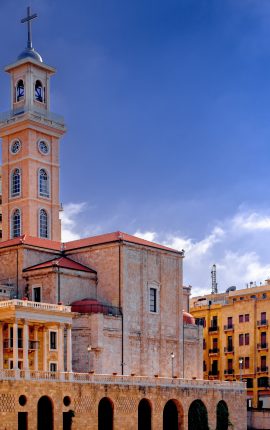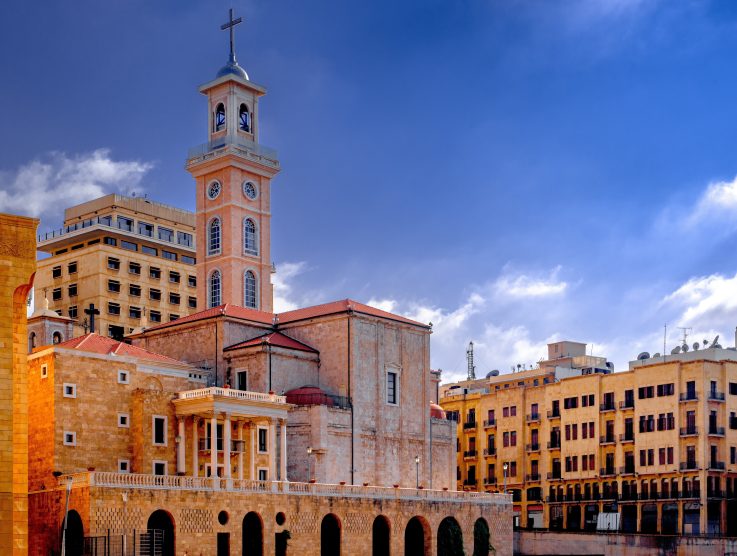
A 2026 guide to teaching English in Latvia: language school and international school pay in EUR and USD, degree and TEFL requirements, the NVA and PMLP work permit process for non-EU teachers, Riga living costs and how to get hired.
To teach English in Latvia you will usually need a bachelor’s degree, a 120-hour TEFL certificate and, if you are not an EU citizen, an employer willing to sponsor a residence permit. Most jobs are in Riga, at private language schools that teach adults and children and at a handful of international schools.
This guide covers 2026 salaries in euros and US dollars, entry requirements, the work permit process, living costs in Riga and the steps to get hired.
TL;DR
- Salary: language schools pay about €10–€20 ($11–$22) an hour; full-time contracts are roughly €900–€1,500 ($1,000–$1,680) gross a month. International schools advertise from about €1,960 ($2,190) gross.
- Requirements: a bachelor’s degree is expected by most employers, plus a 120-hour TEFL certificate; CELTA helps at the best-known schools.
- Visa: EU citizens work freely. Non-EU teachers need an employer to register the vacancy with the State Employment Agency (NVA) and then a residence permit with the right to work from the Office of Citizenship and Migration Affairs (PMLP).
- Living costs: a single teacher in Riga spends about €1,200–€1,360 ($1,340–$1,520) a month including rent.
- Best for: EU passport holders and experienced, certified teachers who want a small, safe Baltic capital.
- Verdict: a small market where you break even rather than save; easiest for EU citizens, harder but possible for non-EU teachers with a firm offer.
Last updated: November 2026
Table of Contents
- Is There Demand for English Teachers in Latvia?
- What Are the Requirements to Teach English in Latvia?
- What Visa Do You Need to Teach English in Latvia?
- How Much Do English Teachers Earn in Latvia?
- What Types of English Teaching Jobs Are There in Latvia?
- What Is the Cost of Living in Riga for Teachers?
- What Are the Pros and Cons of Teaching English in Latvia?
- How Do You Get Hired to Teach English in Latvia?
- Related Guides
- Frequently Asked Questions
- Conclusion
Is There Demand for English Teachers in Latvia?
Yes, but it is a niche market. Latvia has about 1.9 million people, and around a third live in Riga, where almost all jobs for foreign English teachers are. English is compulsory in Latvian schools and widely spoken by younger people, so demand comes mainly from adults who need business or exam English, children taking after-school classes, and the international schools that serve diplomats, NATO personnel and expat families.
Public schools teach in Latvian and expect teachers to speak the state language at a professional level, so foreign teachers rarely work in them. Your realistic options are private language schools, international schools, corporate classes, universities and private or online students. For a wider look at the job market, see our guide to jobs and teaching opportunities in Latvia. If you are new to teaching abroad, start with our pillar guide on teaching English as a second language around the world.
What Are the Requirements to Teach English in Latvia?
| Requirement | Language schools | International schools |
|---|---|---|
| Bachelor’s degree | Expected by most; essential for non-EU work permits | Required, usually in education or the subject taught |
| TEFL certificate | 120 hours minimum; CELTA preferred at IH-affiliated schools | Teaching licence or PGCE often needed instead |
| Experience | Not always needed for a first job | Usually 2–3 years; IB experience valued |
| Nationality | Native or C1–C2 proficient speakers | Native or C1–C2 proficient speakers |
| Background check | Often requested, especially for young learners | Required for child protection |
| Latvian language | Not needed | Not needed for English-medium roles |
A 120-hour certificate is the standard benchmark for language schools; our guide to the 120-hour TEFL course explains what employers look for. Non-native speakers are hired if they can show near-native English, for example with an IELTS or Cambridge C2 result.
Ask your home country for a criminal record certificate before you leave, and have your degree certificate apostilled. Employers working with children will usually ask for both, and PMLP may need them for your residence permit.
What Visa Do You Need to Teach English in Latvia?
EU, EEA and Swiss citizens
You can live and work in Latvia without a work permit. If you stay longer than three months, register your residence with the Office of Citizenship and Migration Affairs (PMLP, also called OCMA) to get a registration certificate.
Non-EU citizens
Americans, Canadians, Britons and Australians can visit Latvia visa-free for up to 90 days in any 180-day period, but that stay does not allow you to work. You need an employer to sponsor you, and the process starts with them, not you:
- Vacancy registration: the employer registers the job with the State Employment Agency (NVA). Since January 2025 the NVA proposes local candidates and gives its opinion within 10 working days of publication.
- Invitation or summons: with a positive NVA opinion, the employer has one month to submit an invitation (for a work visa) or a summons (for a residence permit) to PMLP, together with your employment contract and education documents.
- Residence permit: for a long-term contract you apply for a temporary residence permit with the right to work, at a Latvian embassy or, if you are already legally in Latvia, at PMLP.
- Fees: PMLP charges €160 to review a temporary residence permit application within 30 days (€280 for 10 working days), plus €45 for the residence card.
Your gross salary must normally be at least the average wage for the sector in the previous year, as published by the Central Statistical Bureau, which rules out low-paid part-time contracts for non-EU teachers. The employer also takes formal responsibility for your stay. Always check the latest rules on the PMLP and NVA websites, and read our guide to relocating to Latvia for registration, banking and healthcare after you arrive.
How Much Do English Teachers Earn in Latvia?
Pay is modest by Western European standards but reasonable against local wages. Latvia’s minimum wage is €780 a month in 2026, and the average gross wage was €1,886 in the second quarter of 2026 (€2,068 in the Riga region), according to the Central Statistical Bureau.
| Job type | Typical pay (EUR) | Approx. USD | Notes |
|---|---|---|---|
| Private language school | €10–€20 an hour; €900–€1,500 gross a month full-time | $11–$22 an hour; $1,000–$1,680 a month | Evening and weekend classes; contracts usually September–June |
| International school | From about €1,960 gross a month | From about $2,190 | Degree, teaching licence and experience; health insurance often included |
| Corporate classes | €15–€30 an hour | $17–$34 an hour | Usually through a language school or as a freelancer |
| Private tutoring | €15–€30 an hour | $17–$34 an hour | Builds through referrals; exam preparation pays best |
| Online teaching | Paid in USD or EUR | About $10–$25 an hour | Common top-up income |
Benefits are limited at language schools: flights and housing are rarely provided, though some schools help you find a flat. International schools pay more and often add health insurance. To compare Latvia with better-paid destinations, see our ranking of the highest TEFL salaries in the world.
What Types of English Teaching Jobs Are There in Latvia?
Private language schools
The main entry point for TEFL-qualified teachers. International House Riga is part of the IH World network and usually asks for CELTA or an equivalent. Dozens of smaller Riga schools teach general, business and exam English to adults and children. Many recruit through their own websites, local portals such as CV.lv and international boards such as TEFL.com.
International schools
Riga’s main English-medium schools are the International School of Latvia (IB PYP, MYP and DP), the International School of Riga (IB), Exupery International School (IB) and King’s College Latvia (British curriculum with IGCSE and A Levels). They hire licensed teachers, mostly between January and April for an August start.
Universities, corporate and online work
Universities hire English lecturers with a master’s degree, usually through open competitions. Corporate English and private students fill evenings and weekends, and many teachers add online lessons for steady extra income.
What Is the Cost of Living in Riga for Teachers?
Riga is cheaper than most Western European capitals, but heating makes winter bills high, and imported goods cost about the same as in Germany.
| Monthly expense (Riga) | EUR | Approx. USD |
|---|---|---|
| 1-bedroom apartment, outside centre | About €335 | About $375 |
| 1-bedroom apartment, city centre | About €490 | About $545 |
| Utilities (85 m² flat, winter-weighted average) | About €305 | About $340 |
| Internet | About €15 | About $17 |
| Monthly public transport ticket (Rīgas satiksme) | €50 | $56 |
| Living costs excluding rent (single person) | About €870 | About $970 |
| Typical total including rent | €1,200–€1,360 | $1,340–$1,520 |
On a full-time language school salary of around €1,200 gross you will roughly break even. Sharing a flat, living outside the Old Town and adding private students make it easier to save.
What Are the Pros and Cons of Teaching English in Latvia?
| Pros | Cons |
|---|---|
| Safe, walkable capital with a strong arts and music scene | Small market with few advertised vacancies |
| EU and Schengen base for cheap travel across Europe | Non-EU work permits depend on the employer and a salary threshold |
| Lower living costs than Western Europe | Low pay at language schools; little saving potential |
| Motivated adult learners who already know some English | Long, dark winters with high heating bills |
| Easy to combine with Lithuania and Estonia trips | Split-shift evening and weekend schedules |
If you are weighing up the Baltics, compare Latvia with teaching English in Lithuania, where pay and the minimum wage are higher, and teaching English in Estonia, which has the region’s most digital-friendly job market.
How Do You Get Hired to Teach English in Latvia?
- Get qualified: earn a 120-hour TEFL certificate with observed teaching practice, or CELTA if you want IH-level schools.
- Prepare documents: apostille your degree and get a recent criminal record certificate before you leave home.
- Time your search: apply from May to August for a September start; international schools recruit from January to April.
- Apply widely: use school websites, CV.lv, TEFL.com and international school job boards, and send a short video introduction.
- Secure sponsorship (non-EU): confirm in writing that the employer will register the vacancy with the NVA and submit your summons to PMLP.
- Budget for the start: bring about €1,500–€2,500 to cover a deposit, first month’s rent and living costs until payday.
- Build extra income: add private, corporate or online students once you are settled.
Frequently Asked Questions
Do you need a degree to teach English in Latvia?
Usually, yes. Most language schools and all international schools expect a bachelor’s degree, and non-EU teachers need education documents for the residence permit. A few language schools hire EU citizens without a degree if they hold a 120-hour TEFL certificate and can show strong teaching skills, but a degree makes you far more competitive.
How much do English teachers earn in Latvia?
Language school teachers earn about €10–€20 an hour, or roughly €900–€1,500 gross a month full-time ($1,000–$1,680). International schools advertise from about €1,960 gross a month. For context, Latvia’s 2026 minimum wage is €780 and the average gross wage is about €1,886 a month.
Can Americans teach English in Latvia?
Yes, but only with employer sponsorship. A US citizen can visit for 90 days without a visa, but cannot work on that stay. The employer must register the vacancy with the State Employment Agency, then submit a summons to PMLP so you can apply for a temporary residence permit with the right to work.
How long does a Latvian work residence permit take?
Allow one to two months in total. The NVA gives its opinion within 10 working days of the vacancy being published, the employer then files with PMLP, and PMLP reviews a standard application within 30 days for a €160 fee. Faster review costs €280 for 10 working days. Add time for apostilles and translations.
When is the best time to look for teaching jobs in Latvia?
May to August is the main hiring window for language schools, because classes start in September and run until June. International schools recruit earlier, mostly from January to April for an August start. Some language schools also hire in December and January when new adult courses begin.
Do I need to speak Latvian to teach English in Latvia?
No. Language schools and international schools teach in English, and many Latvians under 40 speak good English. Public schools are the exception, because they require professional-level Latvian. Learning basic Latvian will still help with renting a flat, dealing with landlords and settling into daily life.
Conclusion
Latvia suits certified teachers who value a safe, cultured Baltic capital more than high savings. EU citizens can apply directly; non-EU teachers should target employers that already sponsor permits. For more destinations and career paths, see our complete guide to teaching English as a second language abroad.