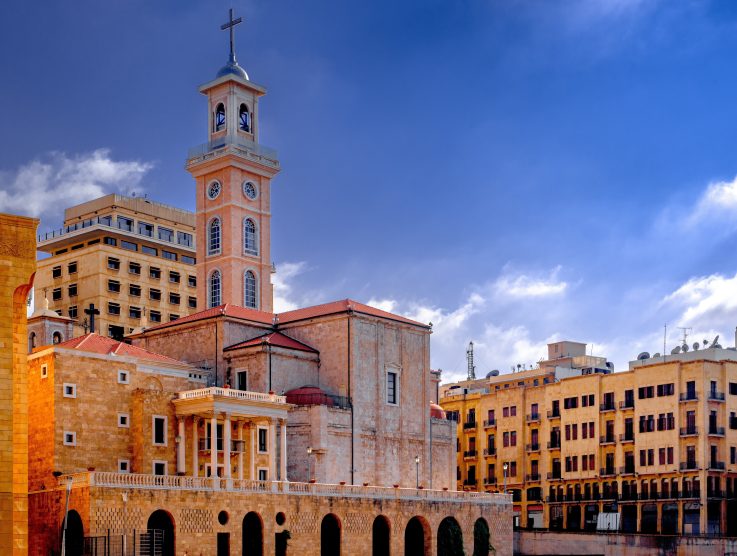
An honest 2026 guide to teaching English in Cuba: why paid TEFL jobs for foreigners are rare, what state salaries are really worth, the D-1 work visa and e-visa rules, US sanctions limits, the blackout crisis, volunteering options and better nearby alternatives.
If you want to teach English in Cuba, it is important to know upfront that paid TEFL jobs for foreigners there are very rare in 2026. Cuba’s schools are state-run, local salaries are worth around US$10 a month, and the country is in a deep economic and power crisis. This guide explains the few real routes in, the visa rules, and better options nearby.
TL;DR
- Reality check: there is almost no open TEFL job market; the state runs education, and the main employer of foreign teachers is the International School of Havana.
- Pay: the average state salary is about 6,900 CUP a month, roughly US$9–10 at the 2026 informal rate of about 750–780 CUP per US dollar.
- Visa: tourist e-visa (up to 90 days) does not allow work; legal teaching needs a D-1 work visa arranged by an approved Cuban employer.
- Americans: US sanctions (OFAC) limit travel to authorised categories and were tightened again in September 2026; tourism and most paid work are off limits.
- Living conditions: island-wide blackouts, fuel and food shortages; US Level 2 travel advisory.
- Verdict: volunteer short-term, teach Cubans online from elsewhere, or work in the Dominican Republic or Puerto Rico instead.
Last updated: November 2026
Table of Contents
- Overview: Is There Demand for English Teachers in Cuba?
- Requirements to Teach English in Cuba
- Visa, Work Permit and US Sanctions
- Salaries and Benefits
- Types of Jobs and Where to Find Them
- Cost of Living in Cuba
- Pros and Cons
- How to Get Hired or Get Involved
- Related Guides
- Frequently Asked Questions
- Conclusion
Overview: Is There Demand for English Teachers in Cuba?
Cubans want to learn English, especially for tourism, private business and emigration, but that demand does not translate into jobs for foreign teachers. Education is free and centrally run by the state. English is taught in schools and universities by Cuban teachers, and there is no private language-academy industry like the ones in Mexico or Colombia that recruit native speakers.
The economic situation makes things harder. In 2026 Cuba has suffered several island-wide blackouts, including in March and July, and planned power cuts can last more than a day. Fuel has been scarce since January, public transport has largely stopped in many areas, and some tour operators temporarily suspended trips in spring 2026. The Cuban peso has lost much of its value, trading at around 750–780 pesos per US dollar on the informal market by October 2026.
Older articles, including earlier versions of this page, suggested foreign teachers could earn $300–$700 a month with free housing through government or volunteer programmes. That is not accurate today. If you want a paid teaching career in the region, start with our guide to teaching English as a second language abroad and treat Cuba as a place to visit or volunteer rather than a job market.
Requirements to Teach English in Cuba
| Requirement | What is expected in 2026 |
|---|---|
| Degree | Bachelor’s degree; international schools also want a teaching licence and experience |
| TEFL certificate | 120 hours minimum is the norm for the few institutional roles; useful for volunteering |
| Job offer | Must come from an approved Cuban employer before a work visa is issued |
| Background check | Criminal record certificate, plus a medical certificate, for the D-1 visa file |
| Nationality | Any, but US citizens face extra US sanctions rules |
| Spanish | Strongly recommended; daily life, paperwork and most volunteer work happen in Spanish |
Even well-qualified teachers rarely find openings, so a TEFL certificate is most valuable as a passport to other countries. An accredited 120-hour TEFL course meets the standard asked for across Latin America and by online teaching platforms.
Visa, Work Permit and US Sanctions
Visitors: the Cuba e-visa
Since July 1, 2025, most visitors must obtain a Cuba e-visa before arrival (many Canadians flying direct get it through their airline). It allows a single entry and a stay of up to 90 days, extendable once. All travellers must also complete the D’Viajeros health and customs form within seven days before arrival. A tourist e-visa does not permit paid work, and you cannot convert it into a work visa after arrival, contrary to older advice.
Workers: the D-1 visa
Foreigners employed in Cuba need a D-1 work visa, which is requested through the hiring Cuban entity before you travel. Expect to supply a job offer, proof of accommodation, an employment authorisation, medical and criminal record certificates and proof of funds. The consulate decides, and permanent residence is extremely difficult unless you have Cuban family ties.
Rules for US citizens
US law still bans tourism to Cuba. Americans must travel under one of the OFAC-authorised categories, such as support for the Cuban people or family visits, and keep records of their activities. In September 2026 OFAC removed the authorisation for professional meetings and conferences, removed group people-to-people educational travel (with limited grandfathering), and narrowed other educational travel. Dealing with entities on the Cuba Restricted List is prohibited, and US-issued bank cards do not work on the island. Being paid by a Cuban state employer raises serious sanctions questions, so take legal advice first.
Salaries and Benefits for English Teachers in Cuba
Salaries in Cuba are paid in Cuban pesos (CUP), and their hard-currency value has collapsed. These figures show why a local salary cannot support a foreign teacher.
| Income type | Monthly amount (CUP) | Approx. value (USD) |
|---|---|---|
| Minimum wage | 3,210 CUP | About $4 |
| Average state salary (April 2026) | About 6,900 CUP | About $9–10 |
| International school (foreign hire) | Contract-specific, usually hard currency | Varies; not published |
| Volunteer programme | Unpaid; you pay a programme fee | From about $2,990 per week (fees) |
If you want teaching income while connected to Cuba, the practical option is online teaching from a country with reliable power and internet. Check the requirements to teach English online, or compare destinations that pay well on our list of the highest TEFL salaries in the world.
Types of Jobs and Where to Find Them
International School of Havana
The International School of Havana is the main English-medium employer that recruits foreign teachers. It hires certified, experienced teachers through international school recruitment channels, and vacancies are few.
Embassy, institutional and university roles
Occasionally, embassies, cultural institutes or universities arrange teaching through government or exchange agreements. These are filled through official channels rather than public job boards.
Volunteering
Short-term volunteering is the most realistic way to teach English in Cuba. Global Volunteers runs one- and two-week projects in Havana with the Cuban Council of Churches, including evening English conversation classes, community repairs and senior-centre activities. Fees in 2026 were $2,990 for one week and $3,520 for two weeks, covering shared lodging, meals and in-country transport.
What does not work
- Job boards rarely list genuine paid Cuban TEFL jobs; treat any listing promising housing and a salary with caution.
- WorldTeach, which older guides mention, suspended its programmes in 2019.
- Freelance private tutoring on a tourist visa is not legal work.
Cost of Living in Cuba
For foreigners, Cuba is not cheap. Private rentals, casas particulares, restaurants and taxis price in line with the informal dollar rate, and shortages push prices up further.
| Item | What to expect in 2026 |
|---|---|
| Currency | Cuban peso (CUP); about 750–780 CUP per US$1 informally, about 680–690 CUP official |
| Payment | Bring US dollars or euros in cash; card acceptance is patchy and US cards do not work |
| Housing | Casas particulares and private rentals priced in hard currency; supply depends on location |
| Electricity | Daily outages common; island-wide blackouts occurred in March and July 2026 |
| Food | Shortages in state shops; private shops stock more but at hard-currency prices |
| Transport and fuel | Public transport severely reduced; fuel scarce since January 2026 |
| Internet | Mobile data via state provider ETECSA; expensive relative to local incomes and affected by blackouts |
If you still plan a longer stay, read our guide on how to prepare for moving to Cuba for paperwork, packing and money tips, and our guide to teaching work in Cuba for more on the job market.
Pros and Cons of Teaching English in Cuba
| Pros | Cons |
|---|---|
| Warm, well-educated people keen to practise English | Almost no paid TEFL jobs for foreigners |
| Rich culture, music and history | Local salaries worth about US$10 a month |
| High literacy and a strong tradition of free education | Blackouts, fuel and food shortages in 2026 |
| Meaningful short-term volunteering | Complex visas; US sanctions limit Americans |
| Strong Spanish immersion | Expensive, unreliable internet and limited cards and banking |
For a paid Caribbean teaching job, look at nearby alternatives. The Dominican Republic has private bilingual schools and language institutes that hire foreign teachers, and Puerto Rico, a US territory, offers teaching jobs with no visa needed for US citizens.
How to Get Hired or Get Involved
- Decide your goal: paid career, short-term volunteering, or cultural travel. For a paid career, Cuba is rarely the right choice.
- Get qualified: a degree plus a 120-hour TEFL certificate; add a teaching licence if you want international school roles.
- Paid route: apply to the International School of Havana through international school recruitment channels and let the employer arrange the D-1 visa before you travel.
- Volunteer route: book with an established programme that works with Cuban partners, and confirm it fits your nationality’s rules.
- Americans: confirm your OFAC travel category, keep records, and avoid Cuba Restricted List entities.
- Prepare for conditions: carry enough cash, a power bank, offline maps and medication, and get the e-visa and D’Viajeros form done before departure.
Frequently Asked Questions
Can foreigners get paid jobs teaching English in Cuba?
Very rarely. Almost all schools in Cuba are run by the state and English is taught by Cuban teachers. The main openings for foreigners are at the International School of Havana and a few institutions that hire through official channels, and they require a work visa arranged before arrival.
How much do English teachers earn in Cuba?
Cuban state teachers earn peso salaries worth very little in hard currency. The average state wage was about 6,900 Cuban pesos a month in 2026, roughly US$9–10 at the informal exchange rate of around 750–780 pesos per dollar. Foreigners should not plan on living from a local salary.
Can I teach English in Cuba on a tourist visa?
No. The tourist e-visa, required for most visitors since July 2025, allows a stay of up to 90 days for tourism only, and paid work is not permitted. Legal employment needs a D-1 work visa sponsored by an approved Cuban employer, with documents such as a medical certificate and criminal record check.
Can Americans teach English in Cuba?
Only in very limited ways. US citizens must travel under an OFAC-authorised category such as support for the Cuban people, and OFAC narrowed educational travel again in September 2026. Working for a Cuban state employer raises serious sanctions issues, so get specific legal advice before accepting any paid role.
Is it safe to go to Cuba to teach English in 2026?
Cuba carries a US Level 2 advisory (Exercise Increased Caution). Petty crime is common and violent crime is rising, and the country is in a deep economic crisis, with island-wide blackouts in 2026, rationed power, fuel and food shortages and unreliable transport. Short stays are manageable; long-term living is hard.
How can I volunteer teaching English in Cuba?
Join an organised programme that works with Cuban community partners, such as Global Volunteers, which runs one- and two-week projects in Havana that include evening English conversation classes at the Cuban Council of Churches. Expect to pay a programme fee that covers lodging and meals.
Conclusion
Cuba is a rewarding place to visit or volunteer, but in 2026 it is not a realistic place to build a paid TEFL career. Get your TEFL certificate, volunteer short-term if Cuba calls to you, and use our teach English abroad guide to choose a country where you can work legally and get paid.