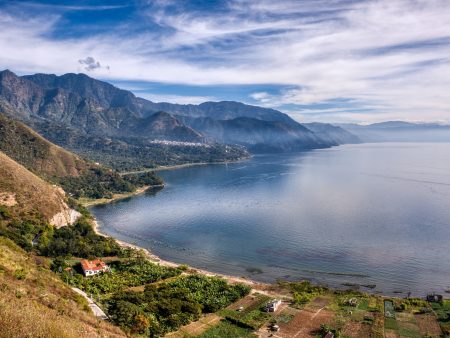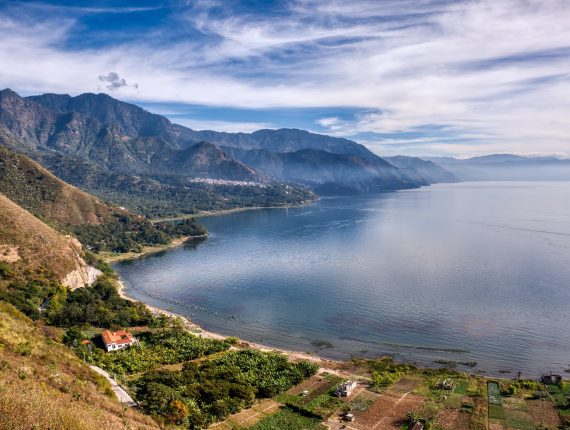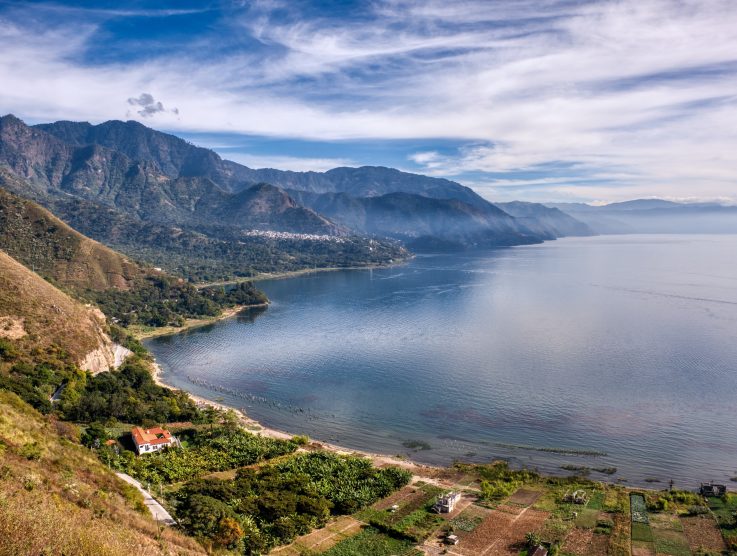
Bulgaria is a country located in Southeastern Europe, known for its rich history, diverse landscapes, and cost-effective lifestyle. With the Balkan Mountains, Black Sea coastline, and a growing economy, Bulgaria has increasingly become an attractive destination for expatriates, students, retirees, and digital nomads. While the country offers numerous opportunities for newcomers, relocating successfully requires careful preparation regarding visas, language, cultural adaptation, and practical living considerations.
Understanding Visa and Residency Requirements
Visa and residency requirements in Bulgaria depend on nationality and length of stay. Citizens of European Union countries can reside, work, and study in Bulgaria with minimal administrative requirements. Non EU nationals, however, must obtain an appropriate visa prior to arrival.
Short-term visits are typically handled with a tourist visa or visa-free entry for certain countries, generally allowing stays of up to 90 days. For longer-term stays, temporary residence permits are required. These permits are categorized by purpose, including employment, study, family reunification, or business. Employment-based residence permits require a confirmed job offer, registration with the Bulgarian Employment Agency, and sometimes a labor market test to ensure the position cannot be filled by a local worker.
Permanent residence can be sought after five years of continuous legal residence, offering benefits such as access to social security, education, and long-term stability. Bulgaria also has specific options for investors and retirees who can demonstrate sufficient financial means to support themselves.
Language Expectations and Communication
Bulgarian is the official language and uses the Cyrillic script. It is essential for daily communication, government interactions, and employment in most sectors. Learning Bulgarian before or immediately after moving is highly recommended, particularly for administrative processes, healthcare, and local commerce.
English is widely spoken among younger generations, especially in major cities like Sofia, Plovdiv, and Varna, as well as in multinational companies and academic institutions. However, in rural areas or for government services, English proficiency is limited. Knowledge of Bulgarian is therefore essential for full integration and social participation.
Learning Bulgarian Before and After Arrival
Learning Bulgarian can be challenging due to its Cyrillic script and grammatical structure. Language apps such as Duolingo and Memrise are helpful for beginners to learn basic vocabulary and sentence construction. More structured programs, such as Babbel or online courses offered by Bulgarian universities, can provide more comprehensive instruction.
After arrival, immersion is critical. Practicing with neighbors, colleagues, and shopkeepers, enrolling in local language schools, and engaging in cultural activities helps accelerate fluency. Reading newspapers, watching Bulgarian TV programs, and listening to local radio are also effective strategies to develop both comprehension and cultural familiarity.
Population, Society, and Cultural Norms
Bulgaria has a population of approximately 6.9 million people, with the majority concentrated in urban areas such as Sofia, Plovdiv, and Varna. Bulgarian society places importance on family ties, hospitality, and tradition, while urban environments are increasingly cosmopolitan and modern.
Social etiquette emphasizes politeness, respect for elders, and personal space. While Bulgarians may appear reserved initially, relationships become warm and long-lasting once trust is established. Understanding traditional customs, such as greeting with a handshake or using formal titles in professional settings, is essential for integration.
Bulgaria also has a rich cultural history, reflected in its Orthodox Christian traditions, folk festivals, and cuisine. Participating in local celebrations such as Easter, Baba Marta Day, or regional festivals can help newcomers connect with the community.
Cost of Living and Daily Practicalities
Bulgaria is considered one of the most affordable countries in Europe. Housing, groceries, transportation, and utilities are generally lower in cost compared to Western Europe, particularly outside the capital city. Sofia, as the largest city, is the most expensive, while towns like Plovdiv and Veliko Tarnovo offer lower living costs and a more relaxed lifestyle.
The official currency is the Bulgarian Lev. Banking services are widely available, and credit cards are accepted in urban areas, though cash remains important in rural regions. Public transportation, including buses, trams, and metro lines in Sofia, is efficient and affordable.
Healthcare in Bulgaria is provided through both public and private systems. Expatriates are advised to obtain private health insurance to access higher quality services and English-speaking medical professionals. Pharmacies are widely available, and routine medications are generally affordable.
Employment and Professional Opportunities
Employment opportunities for foreigners in Bulgaria are concentrated in sectors such as information technology, engineering, tourism, education, and finance. Knowledge of Bulgarian increases employment prospects, particularly for positions involving customer interaction or government documentation.
Multinational companies and the IT sector often operate in English, creating opportunities for expatriates with technical expertise. Work culture emphasizes punctuality, efficiency, and professionalism, although informal relationships are valued once trust is established. Securing employment before relocating is strongly recommended for non EU nationals, as work permits are tied to specific employers.
Choosing Where to Live
Sofia, the capital, is the primary destination for newcomers due to its international environment, job market, universities, and healthcare facilities. Plovdiv, Bulgaria’s second-largest city, offers a mix of cultural heritage and lower living costs. Varna and Burgas provide coastal living with access to the Black Sea, appealing to those seeking a more relaxed lifestyle.
Rural areas and small towns offer tranquility, closer community ties, and lower living costs, but services, English proficiency, and job opportunities may be limited. Choosing the right location depends on employment, lifestyle preferences, and proximity to educational or healthcare services.
Moving to Bulgaria offers the opportunity to experience a country rich in history, culture, and natural beauty while benefiting from a cost-effective lifestyle. Successful relocation requires careful preparation, including understanding visa and residency requirements, learning Bulgarian, and adapting to local social norms. With preparation, openness, and cultural sensitivity, newcomers can build a rewarding and sustainable life in Bulgaria.