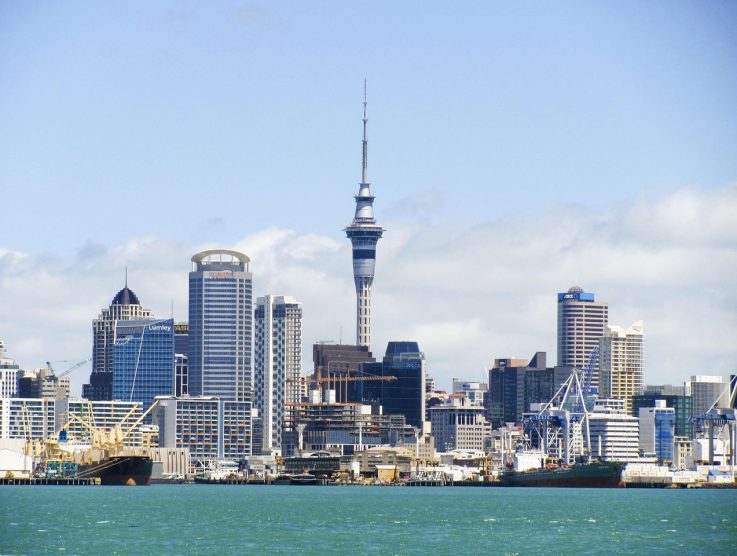
Moving to another country is equal parts exciting and overwhelming. Nicaragua offers a slower pace of life, affordable living costs, and rich culture, but success depends on preparation. This guide walks through the most important steps to take before relocating, with a focus on language, legal requirements, and everyday realities that shape life in Nicaragua.
Understanding Nicaragua at a Glance
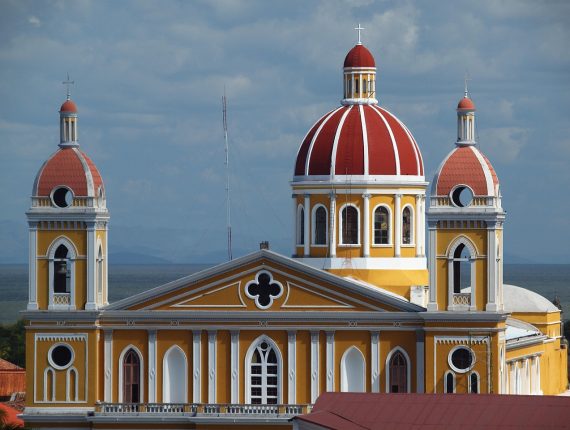
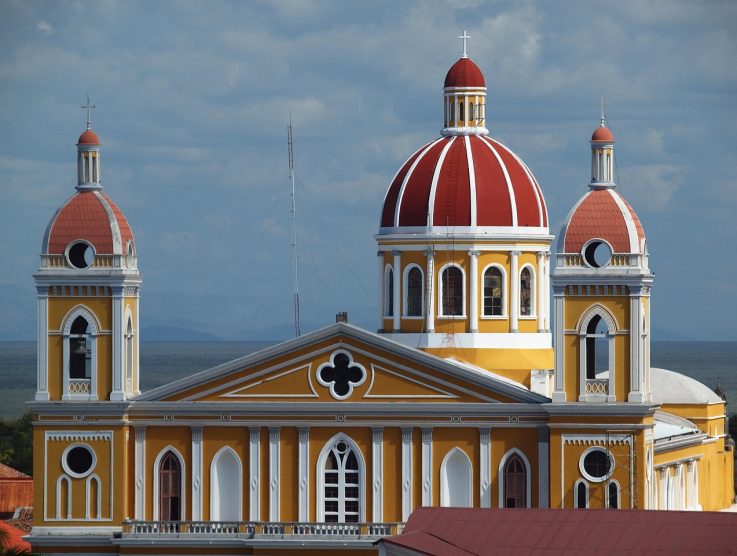
Nicaragua is the largest country in Central America by land area, with a population of roughly 6.8 million people. The capital city is Managua, though many expats choose to live in colonial cities like Granada and León or along the Pacific coast. The country has a tropical climate with a dry season from November to April and a rainy season from May to October.
Daily life in Nicaragua is generally more relaxed than in North America or Europe. Bureaucracy can move slowly, personal relationships matter, and patience is an essential skill. Understanding this cultural context will make every other step easier.
Language Basics and What to Expect
Spanish is the official language of Nicaragua and is used in government, education, healthcare, and nearly all daily interactions. While English is spoken in some areas, it should not be relied on for daily life.
How Common Is English in Nicaragua?
English proficiency in Nicaragua is relatively low compared to some neighboring countries. Estimates suggest that around 5 to 10 percent of the population speaks English at any functional level. English is most commonly spoken in:
- The Caribbean coast, particularly in Bluefields and Corn Islands, where English Creole is widely used
- Tourist-heavy areas such as San Juan del Sur
- Private schools, universities, and higher-end hotels
In Managua, you may encounter English speakers in professional settings, but grocery stores, clinics, landlords, and government offices will almost always operate in Spanish.
If you plan to live outside tourist zones, learning Spanish is not optional. It is necessary for independence and quality of life.
Learning Spanish Before You Move
Starting Spanish studies before arrival will save time, money, and frustration. You do not need fluency before moving, but basic conversational ability is essential.
Key Spanish Skills to Focus On
Before relocating, aim to understand and practice:
- Everyday verbs like ir, hacer, tener, and necesitar
- Numbers, dates, and time
- Asking for directions and prices
- Medical and emergency vocabulary
- Common Nicaraguan expressions and slang
Nicaraguan Spanish is generally clear and slower than Caribbean Spanish, but it includes local phrases and the use of vos instead of tú in many regions. This is something most learners adapt to quickly once immersed.
Language Learning Apps and Tools
Several apps are particularly helpful for learning Spanish for daily use:
- Duolingo for building a habit and basic vocabulary
- Babbel for structured grammar and real-life conversations
- Busuu for guided lessons with native speaker feedback
- Pimsleur for listening and speaking practice during commutes
- Anki or Quizlet for custom flashcards with local phrases
Once in Nicaragua, consider hiring a local tutor or enrolling in a Spanish school. Many offer one-on-one lessons at very affordable rates, often tailored to daily life situations like renting, banking, and shopping.
Visa and Residency Requirements
Understanding Nicaragua’s immigration rules is critical before booking a one-way ticket.
Tourist Entry Rules
Citizens of the United States, Canada, the United Kingdom, and most European countries can enter Nicaragua as tourists without applying for a visa in advance. Upon arrival, you typically receive:
- A tourist card valid for up to 90 days
- Entry under the CA-4 agreement, shared with Honduras, El Salvador, and Guatemala
This means time spent in those countries counts toward the same 90-day limit.
Tourist status does not allow you to work or earn income locally.
Extending Your Stay
Tourist visas can sometimes be extended for an additional 30 days by applying at an immigration office. This is not guaranteed and depends on local enforcement and documentation.
Some foreigners leave the CA-4 region briefly and re-enter, but border runs are increasingly inconsistent and should not be relied on long term.
Residency Options
If you plan to stay long term, residency is the safest route. Common categories include:
- Pensionado residency for retirees with proof of stable pension income
- Rentista residency for those with guaranteed monthly income or savings
- Investor residency for individuals starting a business or purchasing property
Residency applications require documents such as birth certificates, police records, and proof of income, all apostilled in your home country. Working with a local immigration lawyer is strongly recommended.
Cost of Living and Financial Preparation
Nicaragua remains one of the most affordable countries in Central America, though costs vary by location and lifestyle.
Typical Monthly Expenses
A modest but comfortable lifestyle for a single person might include:
- Rent: $300 to $700 depending on location
- Utilities and internet: $50 to $100
- Groceries and household items: $200 to $300
- Transportation: $30 to $80
- Healthcare: $40 to $100
Imported goods and luxury items cost significantly more than local products.
Banking and Money Access
Most expats keep a foreign bank account and use local ATMs. Nicaragua uses the córdoba, but US dollars are widely accepted.
Before moving:
- Notify your bank about international use
- Research international ATM fees
- Consider a debit card with low foreign transaction costs
Opening a local bank account is possible with residency but difficult on a tourist visa.
Healthcare Considerations
Healthcare in Nicaragua is affordable and adequate for routine needs. Private clinics and hospitals are available in major cities, especially Managua.
Doctors are generally well trained, but English-speaking medical staff are limited outside private facilities. Learning basic medical Spanish is extremely helpful.
Most expats pay out of pocket or use international health insurance. Prescription medications are often inexpensive and available without prescriptions, though this should be handled responsibly.
Housing and Where to Live
Choosing the right area will shape your experience more than almost anything else.
Popular expat locations include:
- Granada for culture, walkability, and history
- León for a younger, more academic atmosphere
- San Juan del Sur for beach life and tourism
- Managua for access to services and jobs
Rent short term first. Do not sign long leases before understanding the neighborhood, noise levels, water access, and power reliability.
Cultural Adjustment and Daily Life
Nicaraguan culture values politeness, patience, and personal connection. People greet each other warmly and small talk matters.
Things that often surprise newcomers include:
- Flexible views of time and punctuality
- Indirect communication styles
- Limited customer service expectations
- Frequent power or water interruptions in some areas
Adjusting expectations is key. Life runs differently here, not worse.
Final Thoughts
Moving to Nicaragua can be deeply rewarding if you prepare thoughtfully. Learning Spanish, understanding visa rules, and approaching the culture with humility will smooth the transition. This is not a country where everything works instantly or efficiently, but it is a place where relationships matter and community still exists.
Preparation does not remove challenges, but it turns them into manageable steps instead of daily frustrations. If you arrive with patience, curiosity, and a willingness to adapt, Nicaragua can feel less like a foreign country and more like home.