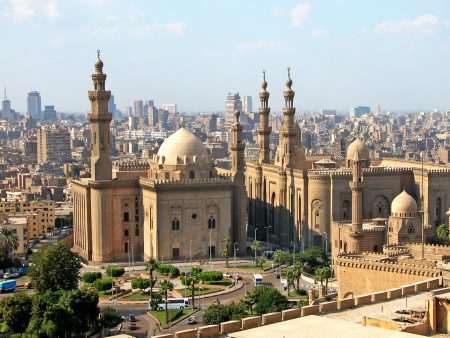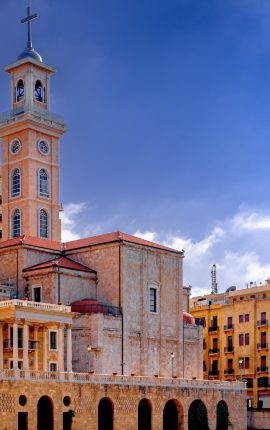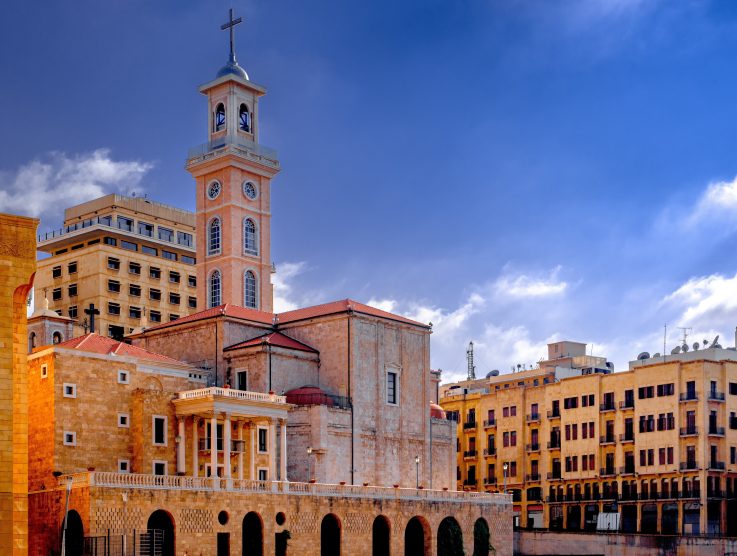

Relocating to Lebanon offers a unique blend of Mediterranean lifestyle, deep cultural history, and a multilingual society. Whether you are moving for work, teaching, or a fresh start, preparation is essential. This guide explores language learning, visa requirements, and practical steps to help you transition smoothly.
Understanding Lebanon Before You Move
A Snapshot of Life in Lebanon
Lebanon is located on the eastern Mediterranean coast and is known for its rich cultural heritage, vibrant food scene, and dynamic urban life. The capital, Beirut, is often described as a city of contrasts, where modern cafés and nightlife coexist with historic architecture and traditional markets.
However, it is important to approach relocation with awareness. Lebanon has experienced economic instability, inflation, and infrastructure challenges in recent years. Power outages, currency fluctuations, and banking restrictions are part of daily life. Expats who prepare in advance and remain adaptable tend to navigate these challenges more successfully.
Learning the Local Language
What Language Is Spoken in Lebanon?
The official language is Arabic, specifically Lebanese Arabic, which differs slightly from Modern Standard Arabic. In addition:
- French is widely used, especially in education and government institutions
- English is increasingly common in business, media, and academia
Lebanon is one of the most multilingual countries in the Middle East.
How Widely Is English Spoken?
It is estimated that around 40% of the population speaks English, particularly in urban areas like Beirut. English is commonly used in:
- Universities and private schools
- Corporate and tech environments
- Tourism and hospitality sectors
This makes daily life manageable for English speakers, especially in professional settings.
Why You Should Learn Basic Arabic
Even though English is widely spoken, learning Arabic is highly beneficial:
- It improves communication in everyday situations such as shopping or transport
- It helps when dealing with official paperwork and local services
- It strengthens social connections with locals
- It increases employment opportunities, particularly outside major cities
Even a basic understanding of greetings and common phrases can significantly improve your experience.
Best Language Apps to Prepare Before You Move
Top Apps for Learning Arabic
To build your Arabic skills before relocating, consider:
- Duolingo: Ideal for beginners, offering gamified lessons for consistent daily practice
- Babbel: Focuses on real-life conversation skills and structured progression
- Memrise: Uses native speaker videos and spaced repetition for vocabulary retention
- Rosetta Stone: Provides immersive learning without translation, useful for deeper fluency
For readers on English teaching platforms, these apps are also valuable tools to recommend to students who want to engage with multilingual environments.
Visa Requirements for Moving to Lebanon
Do You Need a Visa?
Most nationalities require a visa to enter Lebanon. Many travellers can obtain a visa on arrival, typically valid for 30 days and extendable up to three months.
Basic Entry Requirements
To enter Lebanon, you generally need:
- A passport valid for at least six months
- Proof of accommodation
- A return or onward travel ticket
- Evidence of sufficient funds
Requirements may vary depending on your nationality, so checking with the Lebanese embassy before travel is strongly recommended.
Important Restrictions to Know
- Entry may be denied if your passport contains Israeli stamps or visas
- Immigration officials may ask detailed questions about your stay
- Policies can change quickly, so always verify before departure
Long-Term Stay and Residency
If you plan to stay long-term, you will need:
- A work permit sponsored by an employer
- A residency permit
- Supporting documents such as employment contracts
Securing a job before arrival can significantly simplify this process.
Preparing for Life in Lebanon
Cost of Living and Financial Planning
Lebanon’s cost of living can be unpredictable due to currency fluctuations. While some goods and services may seem affordable, imported items and housing in desirable areas can be expensive.
To prepare:
- Maintain access to foreign currency, particularly USD
- Use international banking solutions where possible
- Budget for unexpected costs due to inflation
Many expats rely on a mix of local and international financial resources to manage expenses.
Finding Accommodation
Accommodation varies widely depending on location and lifestyle. Beirut offers modern apartments and proximity to jobs, while areas in Mount Lebanon provide quieter, more scenic living.
Tips for securing housing:
- Use trusted real estate agents or expat networks
- Confirm access to electricity, water, and internet
- Understand rental terms, often priced in USD
It is advisable to arrange temporary accommodation before committing to a long-term lease.
Healthcare and Insurance
Lebanon has a strong private healthcare sector, with many well-trained doctors and modern facilities. However, private care can be expensive.
Before moving:
- Obtain comprehensive international health insurance
- Identify nearby hospitals and clinics
- Be prepared for out-of-pocket payments in some cases
Transportation and Getting Around
Public transportation in Lebanon is limited and informal compared to many countries. While there are shared taxis and minibuses, most expats rely on:
- Ride-hailing apps
- Private taxis
- Personal vehicles
Traffic in Beirut can be congested, so factoring commute times into your daily routine is important.
Cultural Adaptation Tips
Lebanon is culturally diverse, with a mix of religious and social traditions. Respect and adaptability are key.
To integrate:
- Be open to switching between languages in conversation
- Dress modestly in more conservative areas
- Build relationships, as personal connections are highly valued
Lebanese society is known for its hospitality, and making an effort to engage with locals is often warmly received.
Working in Lebanon as an English Speaker
Lebanon offers opportunities for English speakers, particularly in education and business.
For English teachers:
- Many private schools and universities teach in English
- Language centres often hire qualified teachers
- TEFL certification can improve your prospects
In other sectors:
- English is widely used in corporate environments
- Knowledge of Arabic or French can give you a competitive edge
Networking is crucial in Lebanon, and many job opportunities arise through personal connections rather than formal listings
Additional Practical Considerations
Electricity and Daily Utilities
One of the most important realities to understand is Lebanon’s electricity situation. Power cuts are common, and many homes rely on private generators. When renting accommodation, confirm:
- How many hours of electricity are provided daily
- Whether generator costs are included in rent
- Backup options such as inverters or solar systems
Internet and Connectivity
Internet speeds can vary. While urban areas generally have acceptable connectivity, outages can occur. If you work remotely, consider:
- Having mobile data as a backup
- Choosing accommodation with reliable internet infrastructure
Final Checklist Before Moving
Essential Pre-Move Steps
- ✔ Learn basic Arabic phrases
- ✔ Download language learning apps
- ✔ Confirm visa requirements
- ✔ Secure temporary accommodation
- ✔ Arrange international health insurance
- ✔ Prepare financially for economic fluctuations
- ✔ Research electricity and internet reliability
Moving to Lebanon can be a deeply enriching experience, offering exposure to a multilingual society and a unique cultural landscape. With approximately 40% of the population speaking English, it is relatively accessible for newcomers, but learning Arabic will significantly enhance your integration and daily life.
By planning carefully, especially around language, finances, and legal requirements, you can navigate the challenges and enjoy the opportunities Lebanon has to offer. For English teachers and global professionals, it presents both a practical and cultural learning environment that reflects the evolving role of English in a multilingual world.