
Relocating to Serbia is an exciting step. Known for its rich history, vibrant culture, and relatively affordable cost of living, the country has become increasingly attractive to expats. However, like any international move, success depends on preparation. From understanding the language landscape to navigating visas and settling into daily life, this guide walks you through everything you need to know before making the move.
Understanding Serbia Before You Move
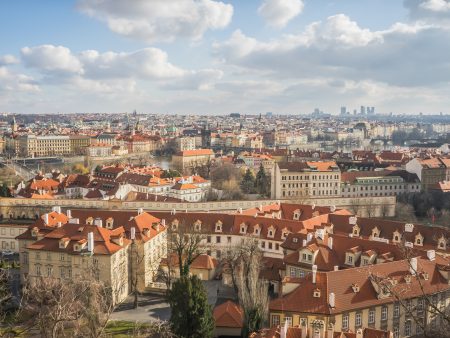
Serbia is located in Southeast Europe and sits at a cultural crossroads between East and West. Its capital, Belgrade, is one of the oldest cities in Europe and serves as the economic and cultural hub of the country.
The official language is Serbian, spoken as a first language by roughly 84% of the population. While minority languages exist, Serbian dominates daily life, administration, and business.
Before moving, it helps to understand that Serbia operates differently from many Western countries. Bureaucracy can be slower, and personal relationships often play a key role in navigating systems. Being mentally prepared for this adjustment will make your transition smoother.
Do You Need to Learn Serbian?
English in Serbia: What the Stats and Reality Say
There is no precise official percentage for English speakers, but estimates suggest English is widely spoken, especially among younger people and in cities. Data insights indicate over 1.5 million English speakers in Serbia, a significant portion of the population.
In practice:
- Younger generations often speak conversational English
- Urban areas like Belgrade and Novi Sad are very English-friendly
- Rural areas and government offices rarely use English
Even so, English is not enough for navigating official systems.
Why Learning Serbian Matters
Relying only on English can limit you. You will likely struggle with:
- Signing rental contracts
- Opening bank accounts
- Dealing with immigration offices
- Understanding official documents
Learning Serbian reduces stress, improves integration, and helps you build stronger relationships.
Best Language Apps to Get Started
- Duolingo – Great for beginners and daily practice
- Babbel – Structured lessons with real-life conversations
- Memrise – Focuses on vocabulary and pronunciation
- HelloTalk – Connects you with native speakers
Using apps alongside real-life interaction is the most effective way to learn.
Visa Requirements and Entry Rules
Short Stays (Tourism and Visits)
Many travelers can enter Serbia visa-free for up to 90 days within a 180-day period, depending on nationality.
Long-Term Stays
If you plan to stay longer, you will need:
- A long-stay visa (Type D)
- A temporary residence permit
Common purposes include:
- Employment
- Study
- Family reunification
General Visa Requirements
Typical documents include:
- Valid passport
- Completed application form
- Proof of accommodation
- Financial proof
- Travel insurance
- Invitation letter (if required)
Serbia also offers digital processes that simplify applications in some cases.
Finding Accommodation and Settling In
Housing is relatively affordable compared to Western Europe. However:
- Contracts are usually written in Serbian
- Some landlords prefer cash payments
- Utility setup may require in-person visits
It is recommended to:
- Work with a local agent
- Use a translator if needed
- Avoid signing documents you do not fully understand
Cost of Living and Daily Life
Serbia offers a lower cost of living than many European countries. Common expenses include:
- Affordable public transport
- Low-cost dining and groceries
- Reasonable rent outside city centers
However, local wages are also lower, so many expats work remotely or for international companies.
Daily life is social and community-driven. Cafés are central to social interaction, and people often spend long periods socializing.
Healthcare, Banking, and Administration
Healthcare
- Public healthcare is available but can be slow
- Private healthcare is affordable and widely used by expats
Banking
To open a bank account, you may need:
- Proof of residence
- A Serbian tax number
- A local address
Administration
Expect:
- Paperwork-heavy processes
- Limited English in official institutions
- Long waiting times
Basic Serbian language skills are especially useful here.
Cultural Tips for a Smooth Transition
- Hospitality is an important part of Serbian culture
- Coffee culture is strong, and meetings often happen in cafés
- Social punctuality is flexible
- Communication tends to be direct
Learning a few local phrases will go a long way in building relationships.
Final Tips Before You Move
- Start learning Serbian early
- Prepare documents in advance
- Budget for unexpected costs
- Be patient with bureaucracy
- Stay adaptable and open-minded
Moving to Serbia can be a rewarding experience, offering a blend of affordability, culture, and opportunity. While English helps with daily interactions, learning Serbian is essential for long-term success. Understanding visa requirements, preparing documents, and using language-learning tools will make your transition smoother.
With the right preparation, settling into life in Serbia becomes far easier and more enjoyable.