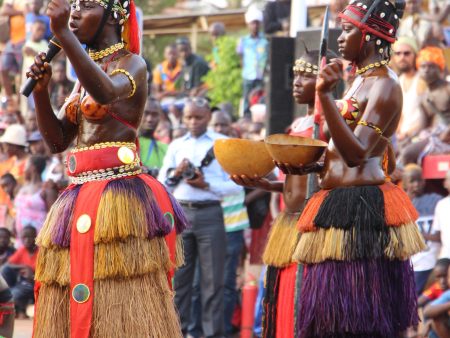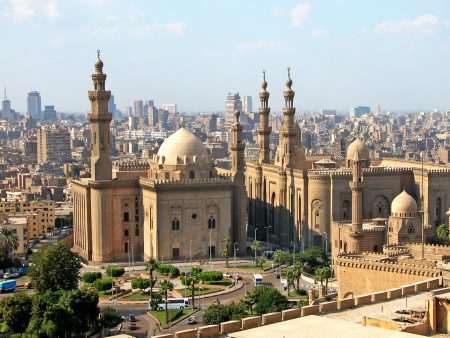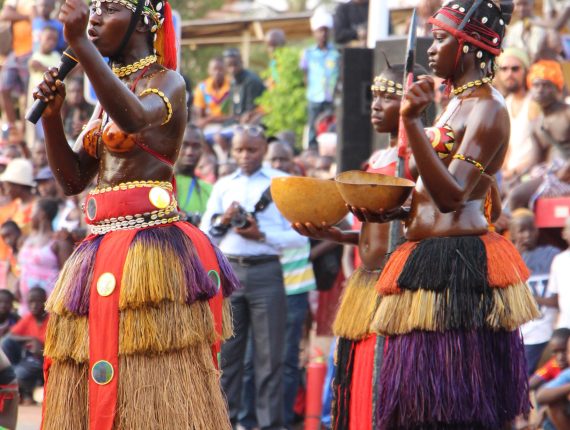

Moving to Tunisia is an exciting opportunity to experience a unique blend of Mediterranean charm, North African culture, and rich history. Whether you’re relocating for work, study, or a lifestyle change, proper preparation is essential. From understanding visa requirements to adapting linguistically and culturally, this guide will walk you through everything you need to know before making the move.
1. Understanding Tunisia: What to Expect
Tunisia is a North African country with a population of around 12 million people. Its official language is Arabic, but the country is also heavily influenced by French due to its colonial history.
The country offers a relatively affordable cost of living compared to Europe, a mild Mediterranean climate, and diverse landscapes ranging from beaches to desert. Cities like Tunis, Sousse, and Sfax are economic hubs, while coastal towns offer a more relaxed lifestyle.
However, adapting to life in Tunisia requires preparation, especially when it comes to language, bureaucracy, and cultural expectations.
2. Language: Why Learning the Local Language Matters
Main Languages Spoken
- Arabic (Tunisian dialect) – Everyday communication
- Modern Standard Arabic – Formal settings
- French – Widely used in business, education, and administration
- English – Increasingly common but still limited
While Tunisia is gradually becoming more English-friendly, it is not an English-speaking country.
English Speaking Population
There is no exact official percentage, but English proficiency is generally:
- Higher among young people and urban populations
- Common in tourist areas
- Limited in rural regions and government offices
Community discussions often highlight that while you can get by with English in cities, daily life becomes significantly easier with French or Arabic:
“In major cities you’ll be fine… but you shouldn’t fully rely on it.”
Why You Should Learn the Language
If you plan to live (not just visit) Tunisia:
- You’ll need French or Arabic for jobs and networking
- Government processes are often conducted in Arabic or French
- It helps with social integration and daily life tasks
3. Best Language Apps to Learn Before You Move
Learning at least basic Arabic or French before arriving will make your transition smoother. Here are some popular language-learning apps to consider:
- Duolingo – Great for beginners (French and Arabic basics)
- Babbel – More structured lessons, ideal for conversational skills
- Memrise – Useful for real-life phrases and pronunciation
- Busuu – Includes feedback from native speakers
Tip: Focus on French first, as it’s widely used in administration and business, then gradually pick up Tunisian Arabic for everyday interactions.
4. Visa Requirements and Entry Rules
Before moving, you must understand Tunisia’s visa policies, which vary depending on your nationality.
Visa-Free Entry
Tunisia offers visa-free access to many nationalities:
- Around 90–116 countries can enter visa-free for up to 90 days
- This includes citizens from the EU, UK, US, Canada, and more
Visa Requirements
If your country is not visa-exempt:
- You must apply for a visa before arrival
- Required documents typically include:
- Valid passport
- Application form
- Passport photos
- Proof of accommodation
- Proof of funds
Key Entry Rules
- Your passport must be valid for at least 6 months
- You may be asked for:
- Return ticket
- Proof of accommodation
- Financial means
Long-Term Stay
If you plan to stay longer than 90 days:
- You’ll need a residence permit
- This often requires:
- Work contract or proof of study
- Local address
- Registration with local authorities
5. Preparing Your Documents
Before leaving your home country, ensure you have:
- A valid passport (6+ months validity)
- Certified copies of:
- Birth certificate
- Degree certificates
- Proof of accommodation
- Medical insurance
- Financial statements
Having these documents ready will help avoid delays when applying for residency or employment.
6. Cost of Living and Financial Preparation
Tunisia is relatively affordable compared to Europe, but your lifestyle will determine your expenses.
Typical Costs
- Rent (city apartment): Moderate
- Food: Affordable, especially local produce
- Transport: Cheap public transport
However:
- Imported goods can be expensive
- Salaries (especially local jobs) may be lower than expected
Make sure you:
- Save enough for at least 3–6 months
- Understand exchange rates and banking systems
7. Finding Accommodation
Before arrival:
- Book temporary accommodation (Airbnb or hotel)
- Use local platforms or Facebook groups for rentals
Popular areas:
- Tunis – Business and expat hub
- La Marsa – Coastal, popular with foreigners
- Sousse – Affordable and vibrant
Always verify rental agreements and avoid paying deposits without viewing the property.
8. Healthcare and Insurance
Tunisia has:
- Public healthcare (affordable but basic)
- Private healthcare (better quality, more expensive)
It’s strongly recommended to:
- Get international health insurance
- Identify nearby private hospitals
9. Cultural and Social Adaptation
Tunisia is a Muslim-majority country with a mix of modern and traditional values.
Cultural Tips
- Dress modestly in conservative areas
- Respect religious customs (especially during Ramadan)
- Learn basic greetings in Arabic or French
Tunisians are generally warm and hospitable, but cultural sensitivity goes a long way.
10. Job Market and Opportunities
If you plan to work in Tunisia:
- French is often required
- English-speaking roles are limited but growing
- Common sectors:
- Tourism
- Education (especially English teaching)
- IT and outsourcing
Networking is key, many jobs are found through connections rather than online applications.
11. Final Tips Before You Move
- Learn basic French phrases before arrival
- Confirm visa requirements based on your nationality
- Prepare all documents in advance
- Budget realistically
- Stay flexible and open-minded
Moving to Tunisia can be an enriching and life-changing experience, but preparation is crucial. While the country is welcoming and relatively accessible, with visa-free entry for many nationalities, successfully settling in depends heavily on your ability to adapt, especially linguistically and culturally.
Learning French or Arabic, understanding visa requirements, and planning your finances will make your transition smoother and more enjoyable. With the right preparation, Tunisia offers a unique blend of affordability, culture, and opportunity that few destinations can match.