
Relocating to Tanzania is an exciting decision that offers opportunities for cultural immersion, career growth, and a lifestyle closely connected to nature. Known for its national parks, Mount Kilimanjaro, Zanzibar’s beaches, and welcoming communities, Tanzania is one of East Africa’s most stable and culturally rich countries. However, a successful move requires careful preparation across several areas, including language, legal requirements, employment, healthcare, housing, and cultural adaptation. This guide provides a detailed overview to help you prepare effectively before moving to Tanzania.
Understanding Tanzania at a Glance
Tanzania is located in East Africa and shares borders with Kenya, Uganda, Rwanda, Burundi, the Democratic Republic of Congo, Zambia, Malawi, and Mozambique. It has a population of over 65 million people, making it one of the most populous countries in Africa. The capital city is Dodoma, although Dar es Salaam remains the main commercial and economic hub.
The country has experienced consistent political stability since independence, which has contributed to steady economic growth. Key sectors include agriculture, tourism, mining, logistics, and telecommunications. Tanzania’s cost of living is generally lower than in many Western countries, although expenses vary significantly between urban centers and rural areas.
Language and Communication
Official and Commonly Spoken Languages
Tanzania has two official languages, Swahili and English. Swahili, also known as Kiswahili, is the national language and is spoken by nearly the entire population. It is used in daily communication, government services, primary education, and media.
English is widely used in business, higher education, tourism, and international organizations. It is the primary language of instruction in secondary schools and universities. Estimates suggest that around 10 to 15 percent of the population speaks English fluently, with higher concentrations in cities such as Dar es Salaam, Arusha, and Zanzibar.
While it is possible to live in Tanzania with only English, learning Swahili significantly improves daily life, social integration, and professional opportunities.
Learning Swahili Before and After You Move
Swahili is considered one of the easier African languages for English speakers to learn due to its phonetic spelling and relatively simple grammar structure.
Language Learning Apps and Resources
Several language learning tools can help you build a strong foundation before arrival:
Duolingo offers beginner friendly Swahili lessons focused on vocabulary and sentence construction
Memrise emphasizes practical phrases and listening comprehension
Drops focuses on visual learning and daily vocabulary practice
Pimsleur Swahili is useful for improving pronunciation and conversational confidence
You can also supplement apps with YouTube lessons, online tutors, or formal language schools once you arrive. Many expats choose to take short intensive Swahili courses during their first few months in Tanzania.
Visa and Immigration Requirements
Entry Visas
Most foreign nationals require a visa to enter Tanzania. Common visa types include:
Tourist Visa, valid for up to 90 days
Business Visa, suitable for short term work or meetings
Multiple Entry Visa, typically valid for up to one year
Citizens of many countries can apply for an electronic visa online before arrival or obtain a visa on arrival, although applying in advance is recommended.
Residence and Work Permits
If you plan to live and work in Tanzania long term, you will need both a residence permit and a work permit. These are typically sponsored by your employer.
There are three main classes of residence permits:
Class A for investors
Class B for employees
Class C for students, volunteers, and dependents
The application process can take several weeks or months, so it is important to begin preparations early and ensure all documentation is accurate and complete.
Employment and Job Market Overview
The Tanzanian job market is competitive, and employment opportunities for foreigners are usually tied to specialized skills. Common sectors employing expatriates include:
Education and international schools
Tourism and hospitality
Non governmental organizations
Mining and energy
Engineering and infrastructure development
Local labor laws prioritize the employment of Tanzanian citizens, so foreign workers are expected to transfer skills and expertise. Securing a job before relocating is strongly advised, as working without proper authorization can lead to serious legal consequences.
Cost of Living and Financial Planning
The cost of living in Tanzania varies widely depending on location and lifestyle. Dar es Salaam is the most expensive city, while smaller towns and rural areas are more affordable.
Typical monthly expenses include:
Rent for a one bedroom apartment in Dar es Salaam ranging from moderate to high depending on location
Groceries and fresh produce are generally affordable
Utilities such as electricity and water are reasonably priced, though power outages can occur
Private healthcare and international schooling can be expensive
Opening a local bank account is recommended if you will be earning income in Tanzania. Major banks offer accounts for foreigners, though documentation requirements can be strict.
Housing and Accommodation
Housing options in Tanzania include apartments, gated compounds, and standalone houses. Many expatriates choose to live in neighborhoods popular with international residents, which often offer better infrastructure and security.
When renting, it is common to pay several months of rent upfront. Always review contracts carefully and, if possible, work with a reputable real estate agent. Inspect the property in person before committing, as quality standards can vary.
Healthcare and Medical Preparation
Public healthcare facilities in Tanzania are accessible but often under resourced. Most expatriates rely on private hospitals and clinics, particularly in major cities.
Before moving, you should:
Obtain comprehensive international health insurance
Ensure routine vaccinations are up to date
Consider vaccinations for yellow fever, hepatitis, typhoid, and rabies depending on your activities
Private hospitals in Dar es Salaam and Arusha offer good standards of care, but serious medical emergencies may require evacuation to another country.
Education and Schooling
For families moving with children, Tanzania offers a range of international schools following British, American, or International Baccalaureate curricula. These schools are primarily located in Dar es Salaam and Arusha.
Enrollment can be competitive, and fees are high compared to local schools. It is advisable to apply well in advance and confirm whether your employer offers education allowances.
Culture, Customs, and Social Etiquette
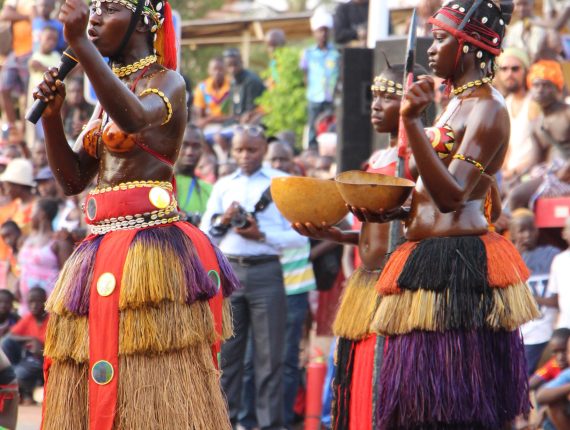
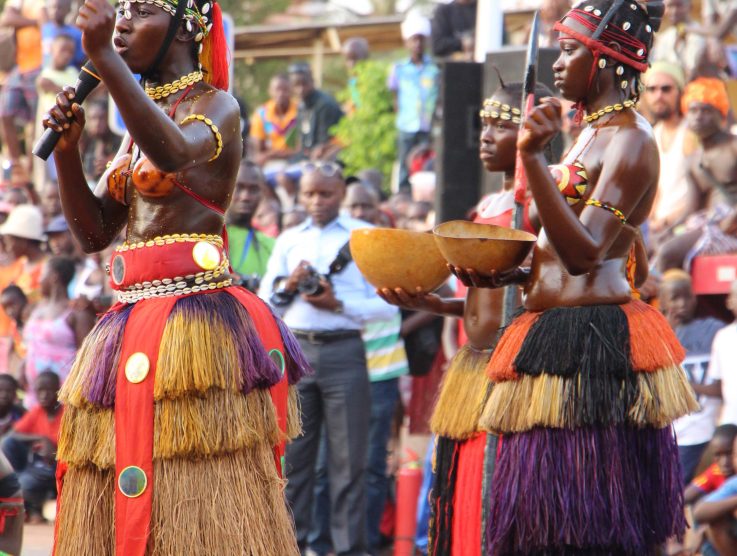
Tanzanian culture places a strong emphasis on respect, hospitality, and community. Greetings are important and often involve asking about someone’s health and family.
Modesty in dress is valued, particularly in rural areas and in Zanzibar, which has a predominantly Muslim population. Public displays of affection are uncommon and should be avoided.
Understanding cultural norms will help you build positive relationships and avoid unintentional offense.
Safety and Daily Life
Tanzania is generally considered safe, especially compared to many other countries in the region. However, petty crime such as pickpocketing can occur in busy urban areas.
Basic safety tips include:
Avoid displaying valuables in public
Use registered taxis or ride hailing services
Be cautious after dark, especially in unfamiliar areas
With sensible precautions, most expatriates find Tanzania to be a comfortable and secure place to live.
Transportation and Getting Around
Public transportation is widely available but can be crowded and unpredictable. Options include buses, minibuses known as dala dalas, taxis, and motorcycle taxis.
Many expatriates choose to drive, although traffic conditions and road safety standards may differ from what you are used to. An international driving permit is recommended initially, followed by a local license if you stay long term.
Final Thoughts
Moving to Tanzania can be a deeply rewarding experience, offering exposure to diverse cultures, landscapes, and ways of life. Successful relocation depends on thorough preparation, cultural openness, and realistic expectations.
By learning Swahili, understanding visa requirements, planning finances carefully, and embracing local customs, you can transition smoothly into life in Tanzania. Whether you are moving for work, study, or personal growth, Tanzania offers a welcoming environment for those willing to engage with its people and traditions.