Moving to Bolivia is an exciting decision that opens the door to a country rich in culture, history, and natural diversity. From the high-altitude capital of La Paz to the tropical lowlands of Santa Cruz and the surreal landscapes of the Salar de Uyuni, Bolivia offers a lifestyle that is both challenging and deeply rewarding. However, successful relocation requires thorough preparation. This guide explores everything you need to know before moving to Bolivia, including language learning, visa requirements, cost of living, healthcare, education, and practical tips to help you settle in with confidence.
Understanding Bolivia at a Glance
Bolivia is a landlocked country in South America bordered by Brazil, Peru, Chile, Argentina, and Paraguay. It has a population of approximately 12 million people and is one of the most culturally diverse countries in the region. Bolivia officially recognizes more than 35 indigenous languages, making it a truly multicultural nation.
The country has two capitals. Sucre is the constitutional capital and seat of the judiciary, while La Paz is the administrative capital and the center of government. Bolivia’s geography is varied, ranging from the Andes mountains and high-altitude plains known as the Altiplano to Amazonian rainforest and fertile lowlands.
Bolivia’s economy is classified as developing, with key sectors including mining, natural gas, agriculture, and tourism. For foreigners, the appeal often lies in the lower cost of living, slower pace of life, and strong sense of community.
Language in Bolivia and How to Prepare
Official and Commonly Spoken Languages
Spanish is the primary language used in government, business, education, and daily life. While many Bolivians speak Spanish fluently, indigenous languages are also widely spoken. The most common include Quechua, Aymara, and Guarani, particularly in rural areas and among indigenous communities.
English is not widely spoken across the general population. English proficiency is mostly limited to younger people in major cities, professionals working in tourism, and those who have studied abroad. In everyday situations such as shopping, renting accommodation, or visiting public offices, Spanish is essential.
Why Learning Spanish Is Crucial
Learning Spanish before moving to Bolivia is one of the most important steps you can take. It will significantly improve your ability to integrate, find work, navigate bureaucracy, and build relationships with locals. Even a basic level of Spanish will make daily life easier and help you avoid misunderstandings.
If you plan to live outside major cities like La Paz, Cochabamba, or Santa Cruz, Spanish becomes even more necessary, as English speakers are rare in smaller towns.
Language Learning Apps and Resources
Several language learning tools can help you prepare:
- Duolingo: Ideal for beginners and useful for building vocabulary and grammar through daily practice.
- Babbel: Focuses on practical conversation skills and real-life scenarios.
- Busuu: Offers structured lessons and interaction with native Spanish speakers.
- Memrise: Useful for improving vocabulary and listening skills through immersion-style learning.
- SpanishPod101: Provides audio and video lessons with cultural context.
Once in Bolivia, you can also enroll in local language schools or hire private tutors. Language exchange meetups are common in cities and provide an affordable way to practice Spanish while meeting people.
Visa and Residency Requirements
Entry Visas
Bolivia’s visa requirements depend on your nationality. Travelers are generally grouped into three categories:
- Group 1 countries can enter Bolivia visa-free for tourism purposes for up to 90 days.
- Group 2 countries require a visa but can obtain it on arrival or in advance at a Bolivian consulate.
- Group 3 countries must apply for a visa in advance and meet stricter requirements.
Tourist visas are typically valid for 30 days and can be extended up to a maximum of 90 days per year.
Temporary and Permanent Residency
If you plan to live in Bolivia long term, you will need to apply for residency. The most common options include:
- Temporary residence for one or two years, often granted for work, study, or family reasons.
- Permanent residence, which can usually be applied for after holding temporary residency for a specified period.
The residency process involves submitting documents such as a criminal background check, medical certificate, proof of income, and valid passport. All foreign documents usually need to be legalized and translated into Spanish.
It is strongly recommended to consult a local immigration lawyer or gestor to help navigate the process, as requirements can change and procedures can be complex.
Cost of Living and Financial Planning
General Cost of Living
Bolivia is one of the most affordable countries in South America. While costs vary by city, most expats find that their money goes further compared to Europe or North America.
Monthly expenses for a single person can range from modest to comfortable depending on lifestyle choices. Rent, food, and transportation are relatively inexpensive, especially if you shop locally and use public transport.
Housing Costs
Renting an apartment in city centers is affordable compared to many countries. Prices increase in upscale neighborhoods and in cities like Santa Cruz, which is Bolivia’s economic hub. Furnished apartments are available but cost more than unfurnished ones.
Utilities such as electricity, water, and internet are generally affordable, although internet speeds can be slower and less reliable than in more developed countries.
Banking and Money
Bolivia uses the Boliviano as its official currency. Cash is widely used, especially in smaller towns. International debit and credit cards are accepted in major cities, hotels, and larger stores, but not everywhere.
Opening a local bank account can be difficult without residency, so many newcomers rely on international cards initially. It is wise to inform your bank before moving and consider international banking options.
Healthcare and Health Preparation
Healthcare System Overview
Bolivia has both public and private healthcare systems. Public healthcare is low-cost but often overcrowded and under-resourced. Private healthcare offers better facilities and shorter waiting times and is preferred by most expats.
Private clinics and hospitals are available in major cities and provide services at a fraction of the cost found in many Western countries.
Health Insurance
It is highly recommended to obtain international or local private health insurance before moving. This ensures access to quality healthcare and covers unexpected medical expenses.
Health Considerations
Bolivia’s altitude can be a major adjustment, especially in cities like La Paz and El Alto. Altitude sickness is common among newcomers, so it is important to rest during your first days and stay hydrated.
Vaccinations for diseases such as hepatitis A and B, typhoid, and yellow fever may be recommended depending on where you plan to live. Consult a healthcare professional before relocating.
Education and Work Opportunities
Education Options
For families moving with children, Bolivia offers public, private, and international schools. International schools are mainly located in major cities and follow American, British, or International Baccalaureate curricula. Tuition fees vary but are generally lower than in many other countries.
Employment Opportunities
Job opportunities for foreigners are limited unless you have specialized skills. Teaching English, working in international organizations, tourism, NGOs, or remote work are common options.
Spanish proficiency is often a requirement for local employment. Remote workers and digital nomads are increasingly choosing Bolivia due to the low cost of living, although internet reliability should be considered.
Culture, Lifestyle, and Social Integration
Bolivian culture places a strong emphasis on family, community, and tradition. Punctuality is flexible, and social relationships often take precedence over strict schedules.
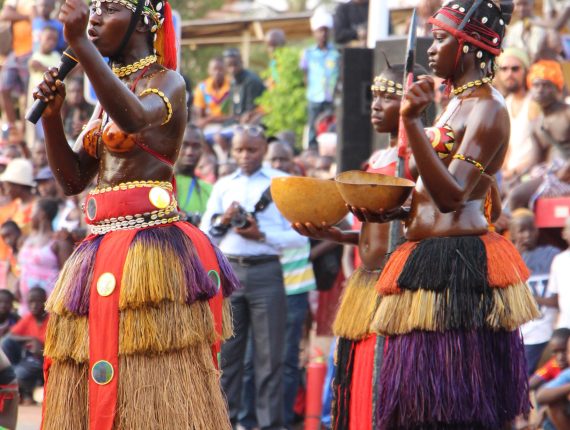
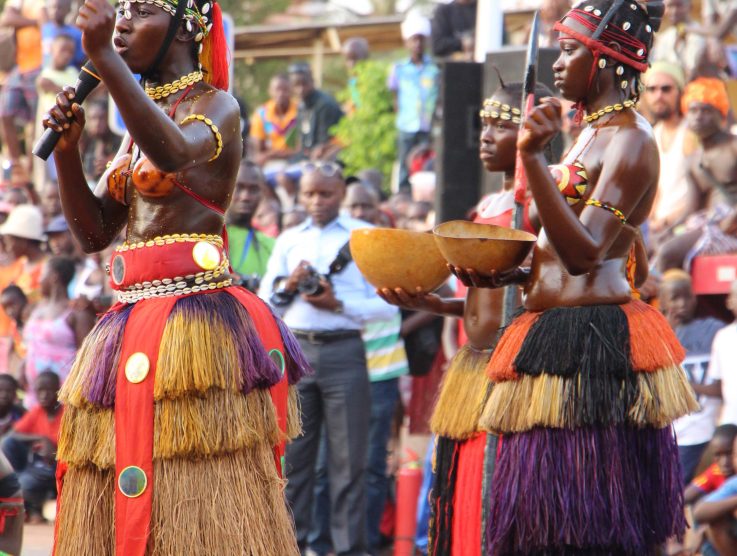
Festivals and religious celebrations are central to life in Bolivia and provide an excellent opportunity to immerse yourself in local culture. Respect for indigenous traditions and customs is important and appreciated.
Making local friends may take time, but learning Spanish and showing genuine interest in Bolivian culture goes a long way.
Practical Tips Before You Move
- Learn basic Spanish phrases before arrival.
- Bring important documents, both originals and copies, translated into Spanish.
- Prepare for altitude and climate differences.
- Research neighborhoods carefully before renting long term.
- Be patient with bureaucracy and expect processes to take time.
- Keep an open mind and flexible attitude.
Final Thoughts
Preparing to move to Bolivia requires thoughtful planning, cultural awareness, and adaptability. While challenges such as language barriers, bureaucracy, and infrastructure limitations exist, the rewards are substantial. Bolivia offers a unique lifestyle enriched by cultural diversity, stunning landscapes, and a lower cost of living.
By learning Spanish, understanding visa requirements, planning your finances, and approaching the move with curiosity and respect, you can build a fulfilling life in one of South America’s most distinctive countries. Bolivia may not always be easy, but for those willing to embrace it fully, it can be deeply enriching and transformative.